

A New Cohort Steps into Printing, Publishing
The Uganda Printing and Publishing Corporation (UPPC) welcomed its August cohort of students at the Print School in Entebbe this month, the latest class to pass through a programme that has grown rapidly since its 2025 relaunch.
Trainees, instructors and corporate leaders gathered for the orientation, which set the tone for a term built around one idea: that practical skill, not paperwork, is what the printing industry actually needs.
It's a gap the sector has long struggled with. Uganda's printing and publishing industry, like much of East Africa's graphic communications sector, has more demand for skilled machine operators, designers and production managers than it has trained people to fill those roles. UPPC's answer has been to rebuild its own training pipeline from the ground up.
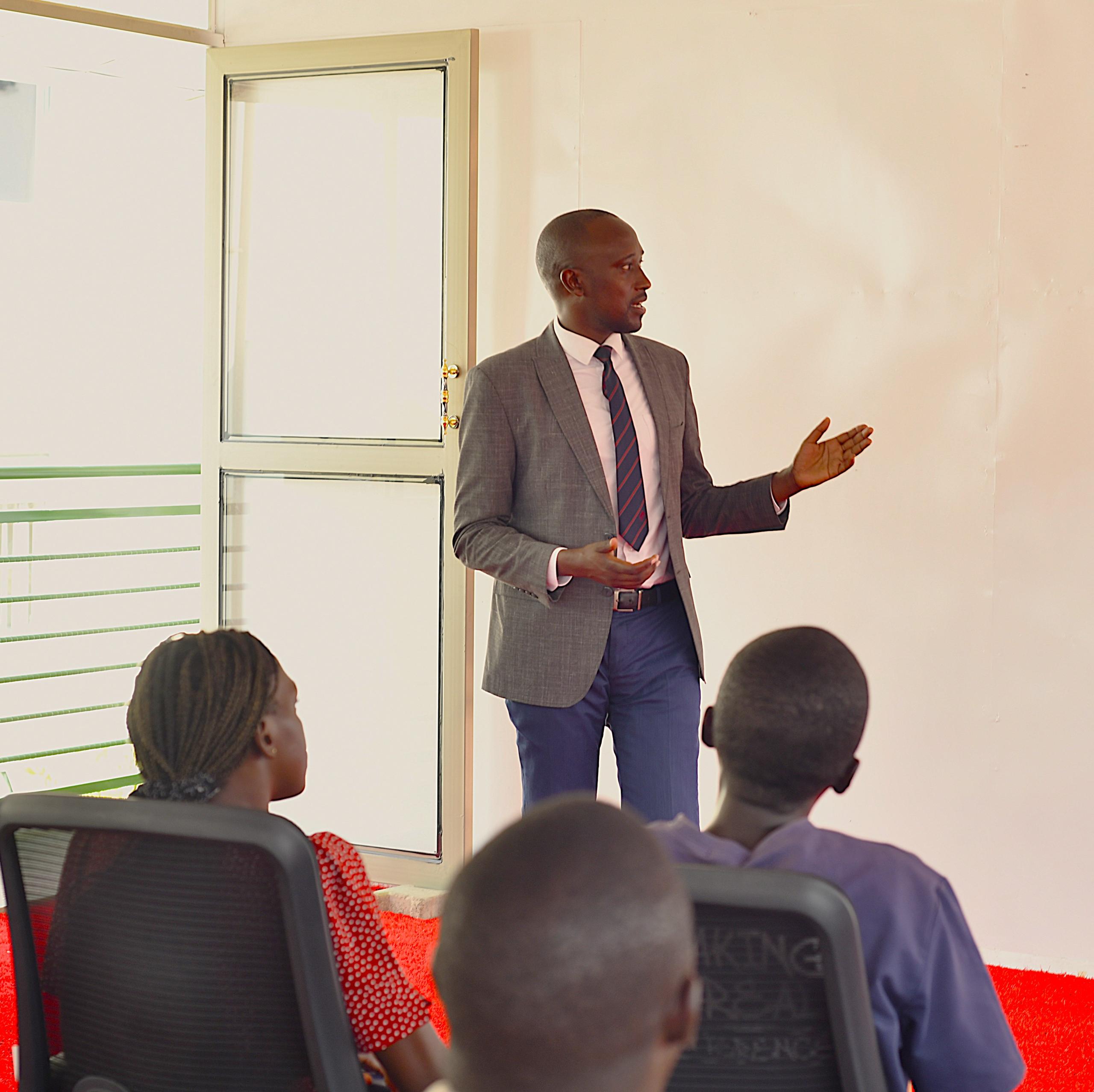
Addressing the new class, School Principal Caleb Kutamba framed the training as more than a course.
"You have chosen a path of purpose," he told trainees. "At UPPC Print School, we don't just teach printing, we shape printers, designers and entrepreneurs. Be disciplined. Be skilled. Be excellent."
Facilitators walked the cohort through the curriculum which includes information technology, heavy machinery operation, pre-press design, bookbinding, editing and quality assurance. The sequence is designed to mirror the real production chain, not just individual skills in isolation. Certification, instructors stressed, should follow competence, not substitute for it.
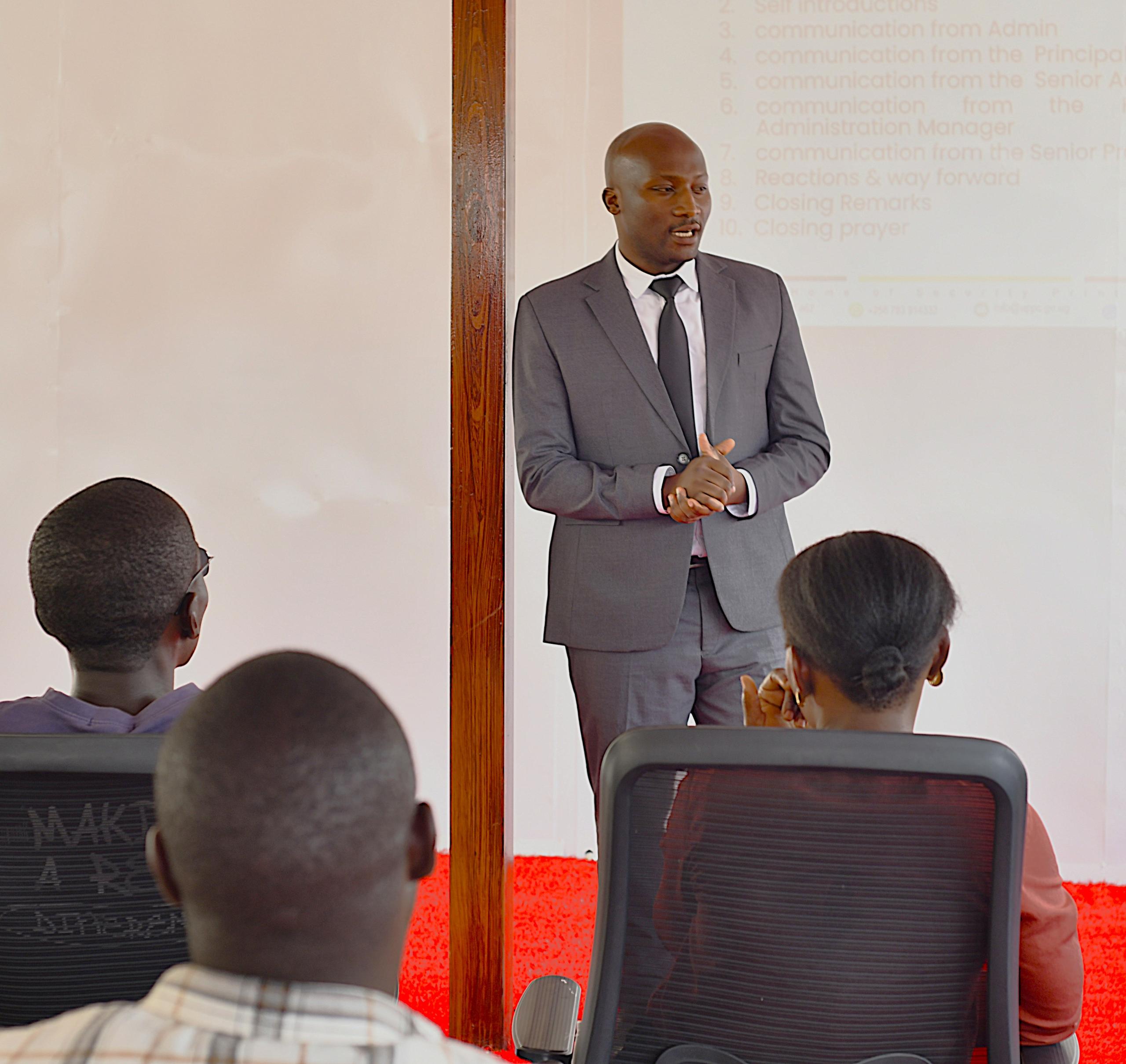
Elijah Atwijukire, UPPC's Senior Production Officer, urged trainees to think beyond finding a job.
"Use this opportunity to acquire as many skills as possible," he said. "The skills you gain here can help you not only to get employment, but also to create your own business." He pointed to graphic communications and print management as areas where past graduates have gone on to start their own ventures.
The orientation also placed the School within UPPC's wider mandate. As Uganda's primary government printer, serving both public agencies and private clients, UPPC gives trainees exposure to production standards used well beyond the classroom. Instructors introduced the School's code of conduct: punctuality, care of equipment and professional ethics, the kind of discipline employers say separates hireable graduates from merely certified ones.
The day closed with a Q&A session and cohort photography, sending the new intake into a term meant to sharpen not just their technical skills, but their readiness for a workforce that badly needs them.